
A writing tutor doesn’t have to know everything. But they should have the tools to help.
Imagine walking into a writing center with a chemistry lab report due tomorrow. You’ve got your data, your research, and maybe even a few paragraphs written. But when your tutor asks what you’re struggling with, you realize neither of you is entirely sure how to format your results or cite a source using American Chemical Society (ACS) guidelines.
It’s not that either of you is a bad writer. You’re simply working with a type of writing that neither of you encounters every day.
This is a challenge that writing centers face across college campuses. Students bring in everything from literature essays and research papers to lab reports, resumes, and cover letters. Tutors are expected to help, even when an assignment falls outside their own academic background.
As a Writing Tutor at Loyola University Chicago, this prompted an important question for me: How can writing tutors confidently support students across different disciplines without being experts in every subject?
One practical solution is a shared resource of writing templates and guides that helps tutors and students navigate unfamiliar assignments together.
The problem with being a writing expert
Writing is not one-size-fits-all.
A persuasive English essay has different expectations from a chemistry lab report. A cover letter requires a different approach from a scientific research paper. Even when two assignments share similar structures, the formatting, terminology, and citation styles can vary significantly.
Writing tutors are often English, communications, or humanities students themselves. While their training prepares them to work with writers across disciplines, no single tutor can be expected to know every academic convention.
Certain research has explored how writing consultants sometimes express insufficient knowledge when working with unfamiliar material. Other studies show that students, particularly those in STEM fields, can struggle to feel supported when tutors are unfamiliar with their discipline. The problem isn’t necessarily a lack of writing ability. Sometimes, students and tutors simply need a clearer understanding of what an assignment requires.
Think about it: If a tutor doesn’t know the conventions of a chemistry report, they might have difficulty asking the right questions to their client. And if a client doesn’t understand those conventions either, the session can quickly become frustrating for both people.
The result? Less time spent improving the paper and more time spent figuring out where to begin.
A simple solution: Give tutors a writing blueprint
What if tutors had a quick reference guide for the assignments they encounter most often?
In a research project I did for a course on the Theory and Practice of Tutoring Writing, my team and I proposed creating a centralized resource for the Loyola Writing Center. The idea was to develop a master document containing concise outlines, templates, and writing tips for different academic genres.
Rather than expecting tutors to memorize the rules of every discipline, the resource would give them something reliable to consult during a session.
Here’s what that could look like for just some of the many paper styles:
- Chemistry lab reports: A breakdown of the report’s sections, formatting expectations, graphs, equations, and ACS citations.
- Research papers: Guidance on organizing an argument, incorporating sources, and developing a clear thesis.
- Cover letters and resumes: Structural tips for presenting experience and communicating professional qualifications.
- Personal statements: Suggestions for developing a central story and connecting personal experiences to larger goals.
The goal isn’t to create a formula that every student must follow. It’s to give tutors and students a starting point, especially when an assignment feels unfamiliar.
A template can make the expectations of a paper easier to understand without writing the paper for the student.
Why templates can make a difference
The benefits of writing templates go beyond saving time.
Writing center consultations are often associated with improvements in students’ confidence in their writing. This understanding also highlights the importance of empathy and supportive tutoring approaches. Similarly, researchers have examined how genre-trained tutors can influence student writing and perceptions of the writing center. Together, these findings point to an important idea: Students benefit when tutors have the preparation and resources to guide them through unfamiliar writing tasks.
A master document could support that process in three ways.
1. More time for actual writing
Writing appointments are often limited to 30 or 60 minutes. Having a guide readily available means tutors spend less time searching for unfamiliar formatting rules and more time helping students strengthen their work.
2. Greater confidence for tutors and students
When tutors can refer to a reliable resource, they have a stronger foundation for discussing an assignment. Students can also become more confident as they learn how to approach unfamiliar writing tasks.
3. Learning that continues beyond the session
A template can help students recognize patterns in academic writing and apply those skills to future assignments. Instead of simply correcting one paper, tutors can help writers develop strategies they can use independently.
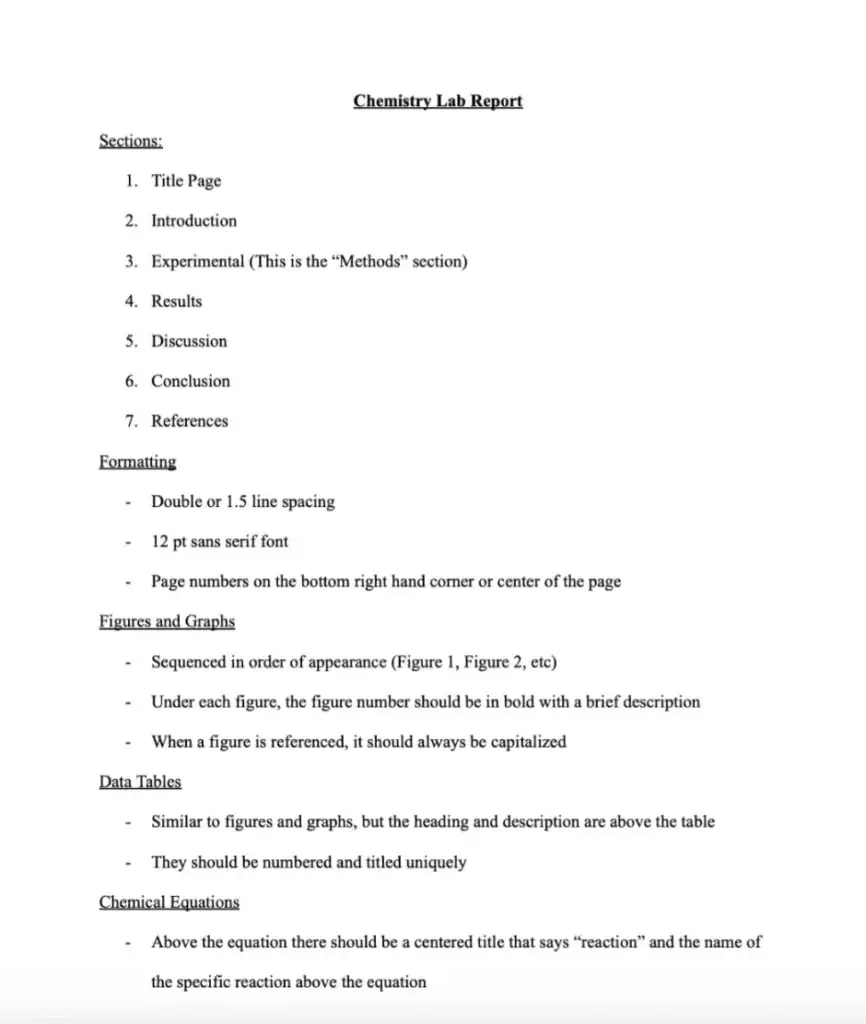
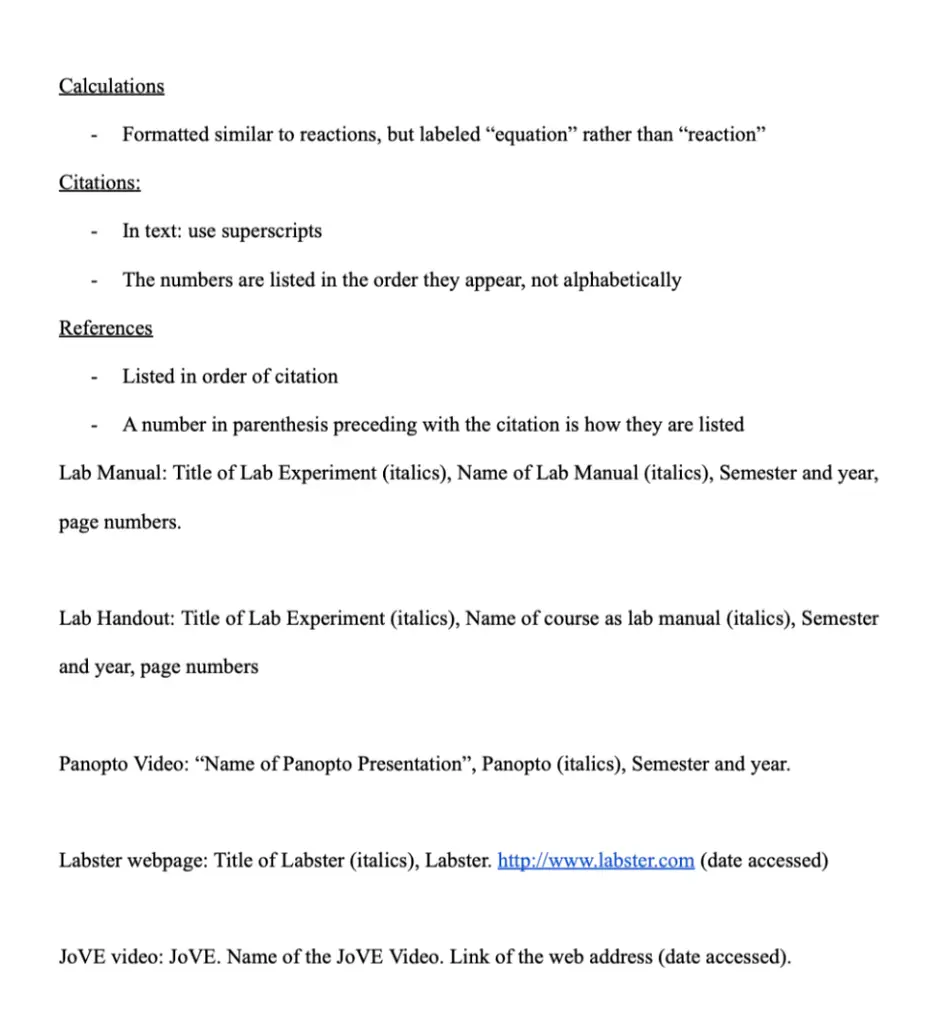
Example paper templates for a Chemistry lab report my team and I created
Helping without doing the work for students
Of course, there’s a difference between providing guidance and giving students a paper to copy.
That’s why my team focused on structural blueprints rather than completed examples of successful assignments.
For instance, a chemistry template might explain which sections belong in a lab report and how graphs or citations should be formatted. It wouldn’t provide a fully fleshed-out report for students to reproduce.
This distinction matters. While examples can help students understand expectations, they can also encourage copying or limit independent thinking if they’re used carelessly.
A flexible template gives students the information they need while leaving room for their own ideas, research, and writing choices. It also creates opportunities for tutors and students to learn together. A tutor might not be a chemistry expert, but they can still help a student organize an argument, clarify an explanation, and communicate scientific findings effectively.
What comes next for Loyola’s Writing Center?
A master document is a starting point, not a complete solution.
Every professor has different expectations, and academic disciplines contain more writing conventions than any single resource could reasonably cover. A chemistry guide, for example, might not answer a student’s specific question about a particular assignment.
Future development could begin with a survey of Loyola Writing Center clients to identify the types of papers students bring to appointments most frequently. Those results could help prioritize which templates to create first.
The resource could also grow through feedback from tutors and students, allowing it to adapt to changing assignment expectations and campus needs.
Ultimately, writing centers should be places where students feel comfortable asking questions, experimenting with ideas, and learning new skills. Tutors don’t need to know everything about every discipline to make that possible. They need the right resources, an open mind, and a willingness to learn alongside the writers they support.
What do you think would make writing centers more helpful for students? If you’ve ever visited a writing center, what resources or tools would have made your experience easier? Feel free to reach out and share your thoughts with me!
Learn more
Explore the research and resources that informed this project/blog:
- The Impact of Writing Center Consultations on Student Writing Self-Efficacy — Lundin, O’Connor and Perdue (2023).
- Counselors’ Claims of Insufficient Knowledge in Academic Writing Consultations — Skogmyr Marian, Henricson and Nelson (2020).
- How Genre-Trained Tutors Affect Student Writing and Perceptions of the Writing Center — Malenke and colleagues (2024).
- The Effectiveness of Template and Example Paper Implementation in Developing Student Writing Skills in Science Courses — Syazali and colleagues (2023).