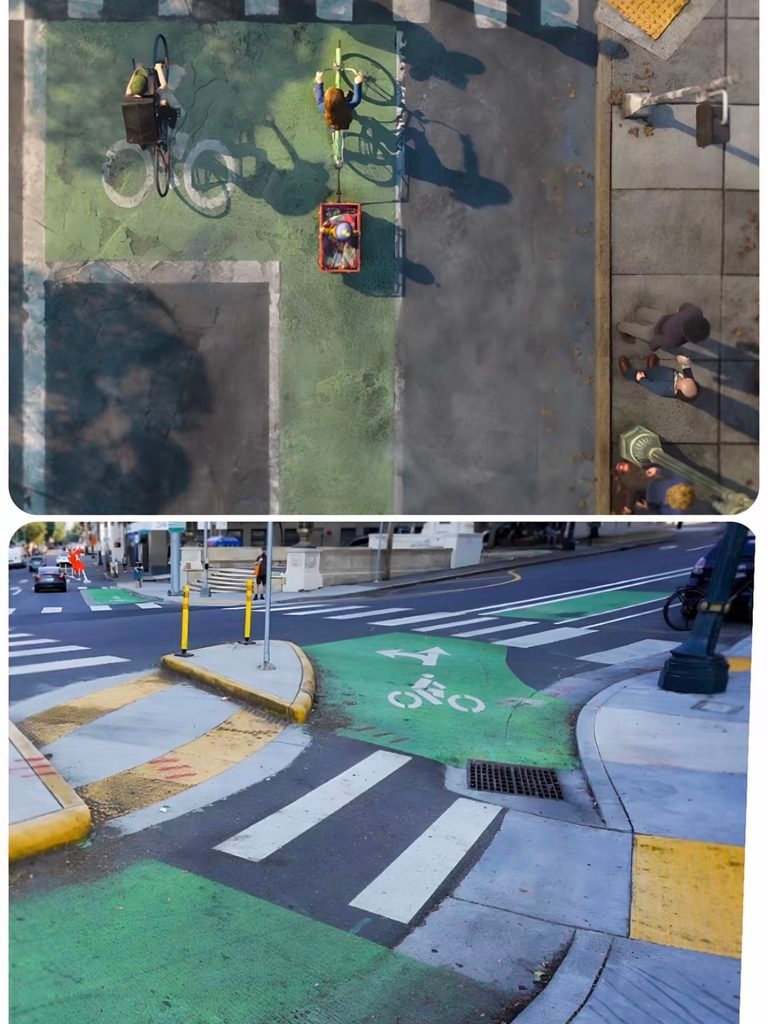
A familiar city with a little more magic
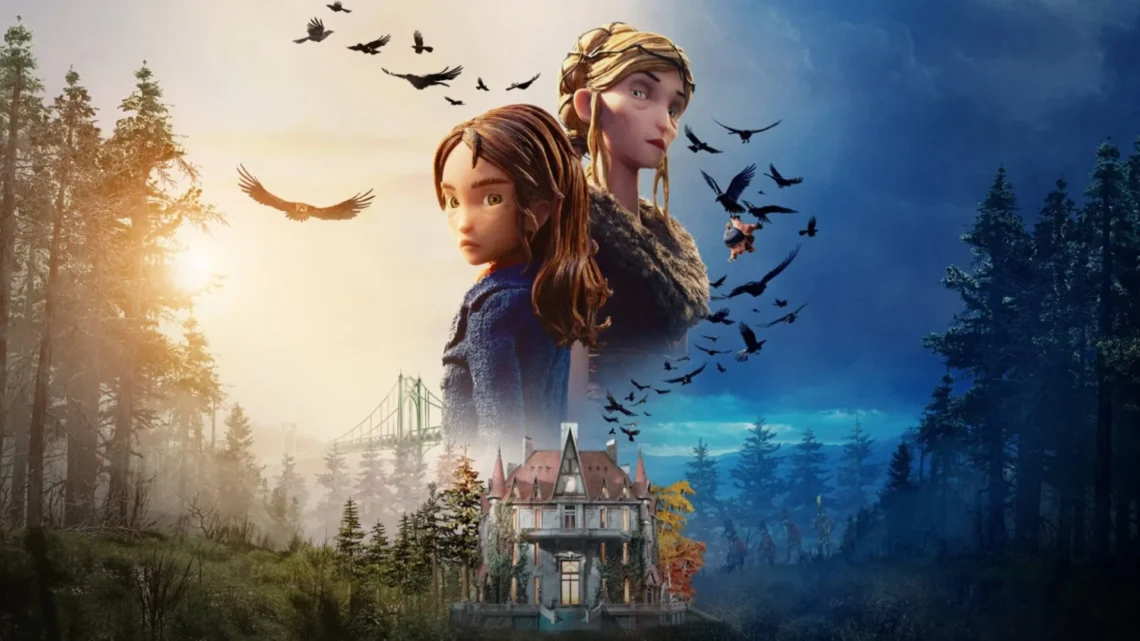
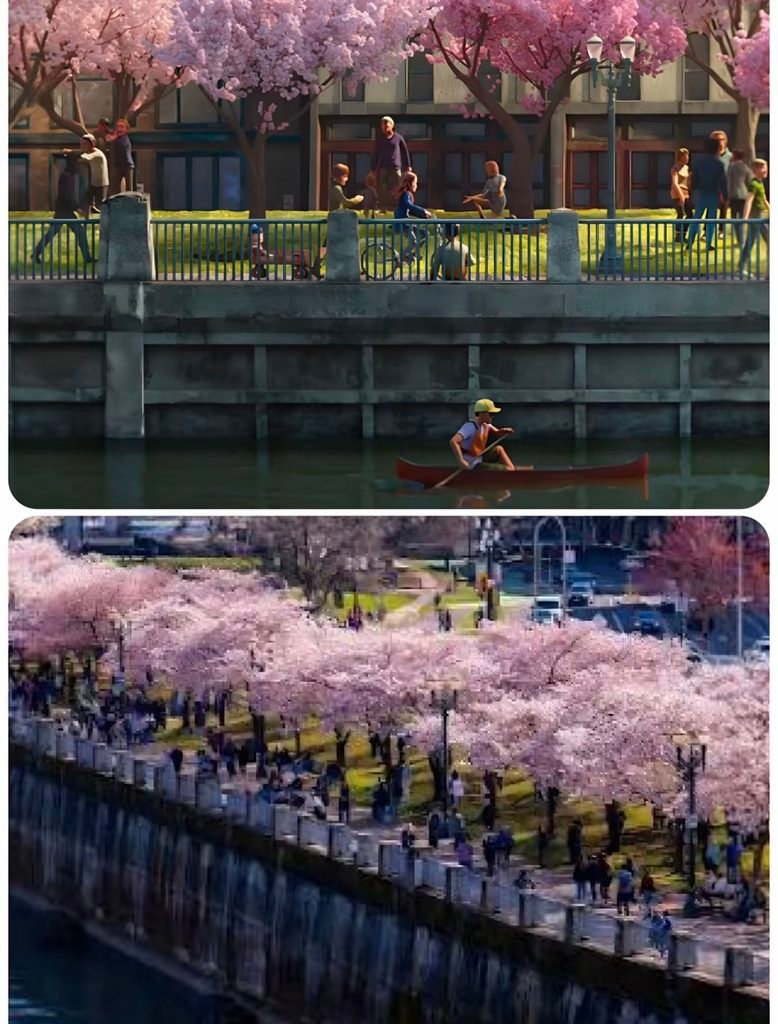
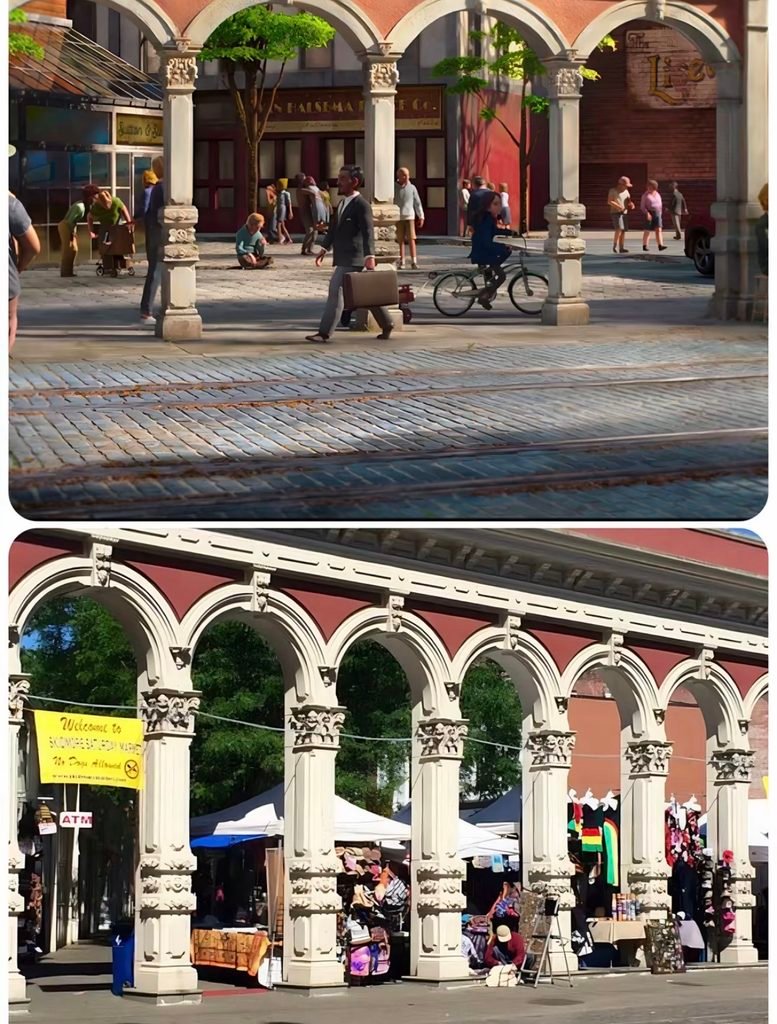
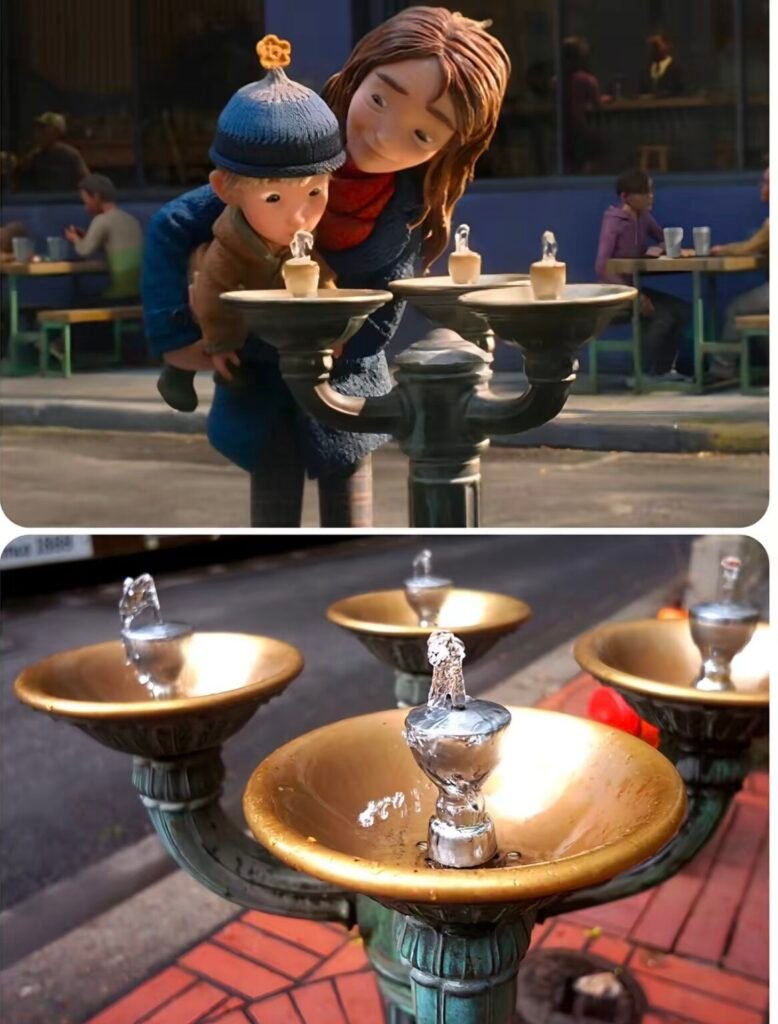
There is something special about seeing a place you grew up in appear on the big screen. As someone from Portland, Oregon, watching the world of LAIKA’s Wildwood come to life feels like being let in on a little secret. Wildwood and the film’s connection to Portland makes it feel like a love letter to the city, transforming familiar streets, landmarks, and the reimagined Forest Park into something extraordinary. Released in theaters on October 23, 2026, the stop-motion fantasy brings a magical version of the Pacific Northwest to audiences everywhere.
Based on the novel written by Portland musician Colin Meloy and illustrated by his wife Carson Ellis, Wildwood follows Prue McKeel, a young girl whose baby brother is taken by a mysterious murder of crows. Her search leads her into the Impassable Wilderness, an enchanted forest hidden just beyond Portland. There, she encounters talking animals, magical kingdoms, and a world that feels both completely unfamiliar and strangely close to home.
Portland as more than just the setting
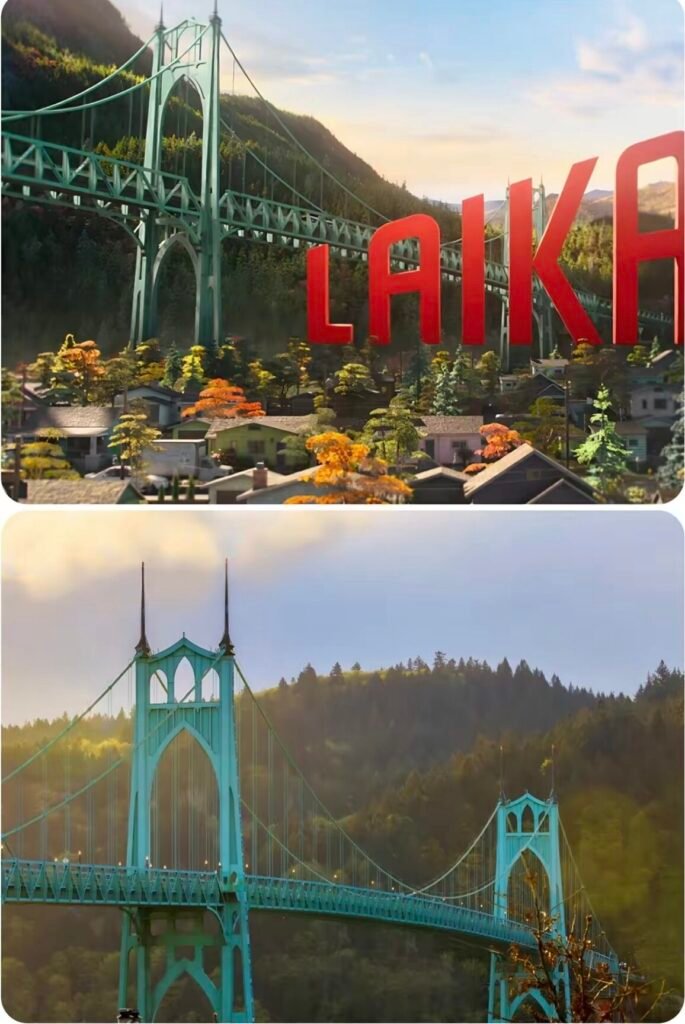
One of the most exciting parts of Wildwood is recognizing the real places behind its fictional world. The film draws inspiration from locations throughout the Portland area, including Forest Park, Pittock Mansion and the iconic St. Johns Bridge.
Forest Park is particularly important to the story’s origins. Meloy has described walking through the park (which even has a trail called Wildwood) and imagining how its familiar landscape could become an entirely different world. The transition from Portland’s residential streets into dense forest already feels like crossing a boundary into somewhere unknown. That feeling became the foundation for the book’s magical wilderness.
The creative team even used a map of Forest Park as a starting point for imagining the story’s geography. Pittock Mansion and the area around the former Portland Audubon site helped inspire locations in the fictional world. The Bird Alliance of Oregon’s Wildlife Sanctuary also influenced the Avian Principality, the kingdom of birds featured in the book and film.
That connection makes the movie feel especially personal. Portland is a city where a walk through the neighborhood can turn into a trail surrounded by towering trees. You can drive across a bridge, follow the Willamette river, or spend an afternoon in one of various parks and find yourself surrounded by the kind of scenery that seems almost too cinematic to be real.
The art of doing things by hand
What makes Wildwood particularly remarkable goes beyond its connection to Portland. It is also a testament to what happens when artists are given the time, resources, and freedom to create something with exeptional care.
LAIKA is known for its commitment to stop-motion animation, an intricate and demanding filmmaking process that requires animators to physically move puppets and objects in incredibly small increments, photographing each movement one frame at a time. When those individual photographs are played in sequence, the characters appear to move on their own.
It sounds simple enough until you consider the scale of Wildwood.
The film’s world took 16 years of development and production to bring to life. More than 1,000 artists, craftspeople, technicians, and filmmakers contributed to the project. The finished film contains 2,804 shots, each requiring an incredible amount of coordination and attention to detail.
The sets are just as impressive. Entire environments have to be designed, constructed, painted, lit, and dressed with tiny details that might only appear on screen for a few seconds. Feathers, clothing, trees, buildings, and facial expressions all contribute to making this fictional world feel tangible when watching the film on a screen.
The talent behind it is what makes the process so extraordinary. There are artists who specialize in character design, sculpting, costume construction, set building, lighting, fabrication, and animation. Each person contributes a different skill, and the final product is the result of thousands of individual creative decisions. The film also incorporates modern technology, including 3D-printed replacement faces and digital visual effects that are used to support an incredibly physical production in bringing this world to life.